
Sea turtles are nesting on Surfside Beach.
This September an olive ridley sea turtle nested at Surfside, the first recorded sea turtle nest anywhere on the U.S. West Coast. We’re a local crew picking up the plastic, nurdles and debris so our beaches are clean for our local wildlife.
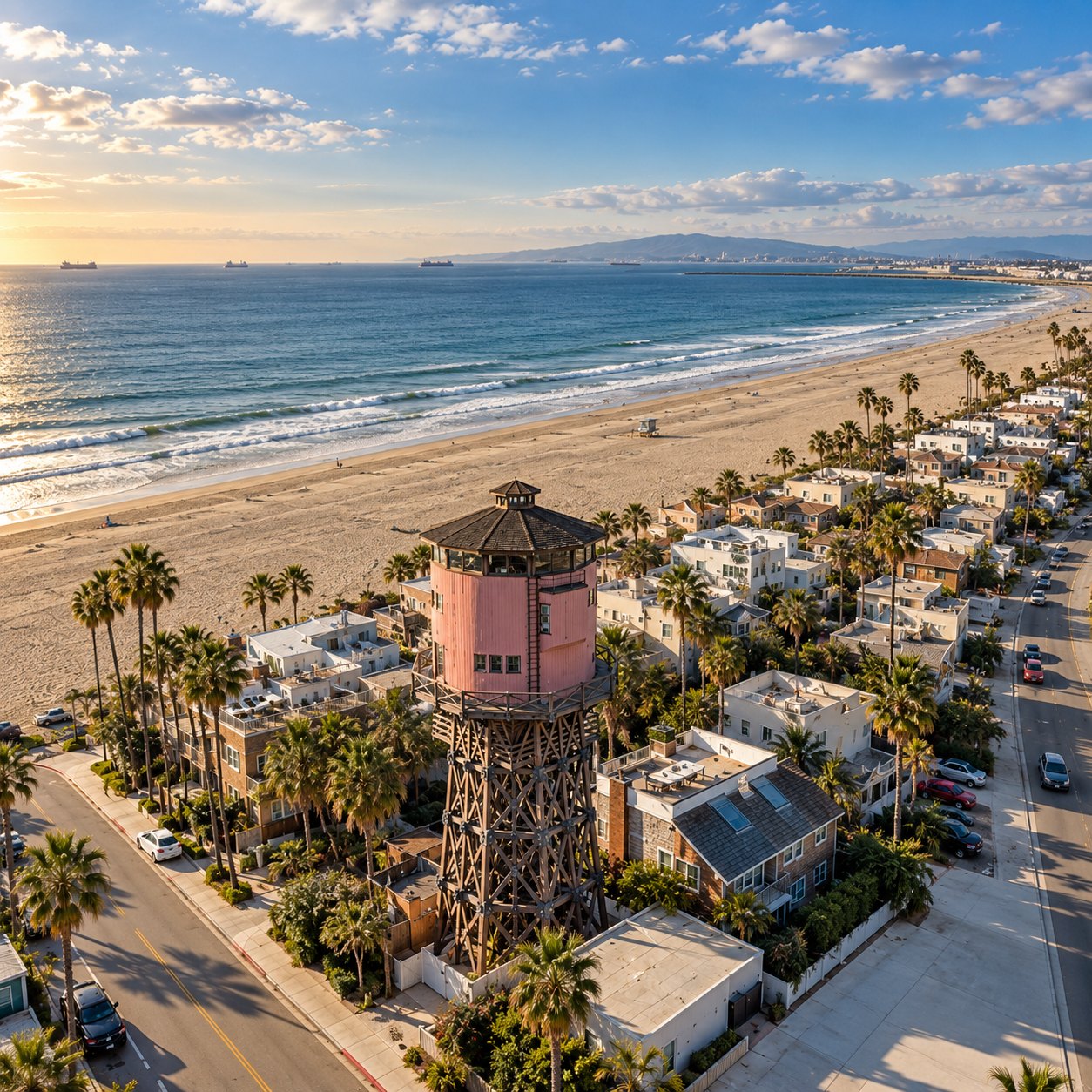
Two olive ridley sea turtle nests just appeared at Surfside and near the Huntington Beach Pier, the first ever recorded on the U.S. West Coast. The eggs are incubating now, right next to where we clean.
Nests are fenced for a 45 to 60 day incubation. Keep your distance and never disturb the fencing or signs.
Yes, we have sea turtles in Southern California.
Most locals have no idea. Two kinds of sea turtle are part of our coast right now, and our beaches sit right between them.
The green sea turtles of Long Beach
Southern California’s largest group of green sea turtles lives year-round in the San Gabriel River, where it meets the ocean between Long Beach and Seal Beach. Volunteers have tracked them there since 2008.
The olive ridleys nesting now
Olive ridleys usually nest from Mexico to Panama and had never been recorded nesting in the U.S. Then, in September 2026, two nests appeared on Orange County beaches, likely drawn by warm El Niño water.
A clean beach protects everyone who lives here.
Sunset Beach and Surfside sit between two protected wildlife areas: Seal Beach National Wildlife Refuge and Bolsa Chica Ecological Reserve. Every cleanup helps the birds, fish and mammals that share the sand.
California least tern
A tiny seabird that nests right on open sand at Seal Beach National Wildlife Refuge next door and at Bolsa Chica. Litter and disturbance on the beach put chicks at risk.
Western snowy plover
Palm-sized shorebirds that lay camouflaged eggs in shallow scrapes on the beach. They depend on clean, undisturbed sand at Bolsa Chica and nearby beaches.
Light-footed Ridgway's rail
A secretive marsh bird of the Seal Beach refuge and Bolsa Chica wetlands. What floats out of the bay and back onto our beach passes through its home.
Pelicans & shorebirds
Brown pelicans, gulls, sandpipers and more feed along our surf line every day, and are some of the animals most often caught in fishing line.
Sea lions, seals & dolphins
Marine mammals feed just offshore. Nets, line and plastic that leave the beach end up in the water they hunt in.
Grunion & sand crabs
Grunion spawn on our beaches on spring and summer nights; sand crabs live in the wash zone. Microplastics and nurdles end up in the same sand.
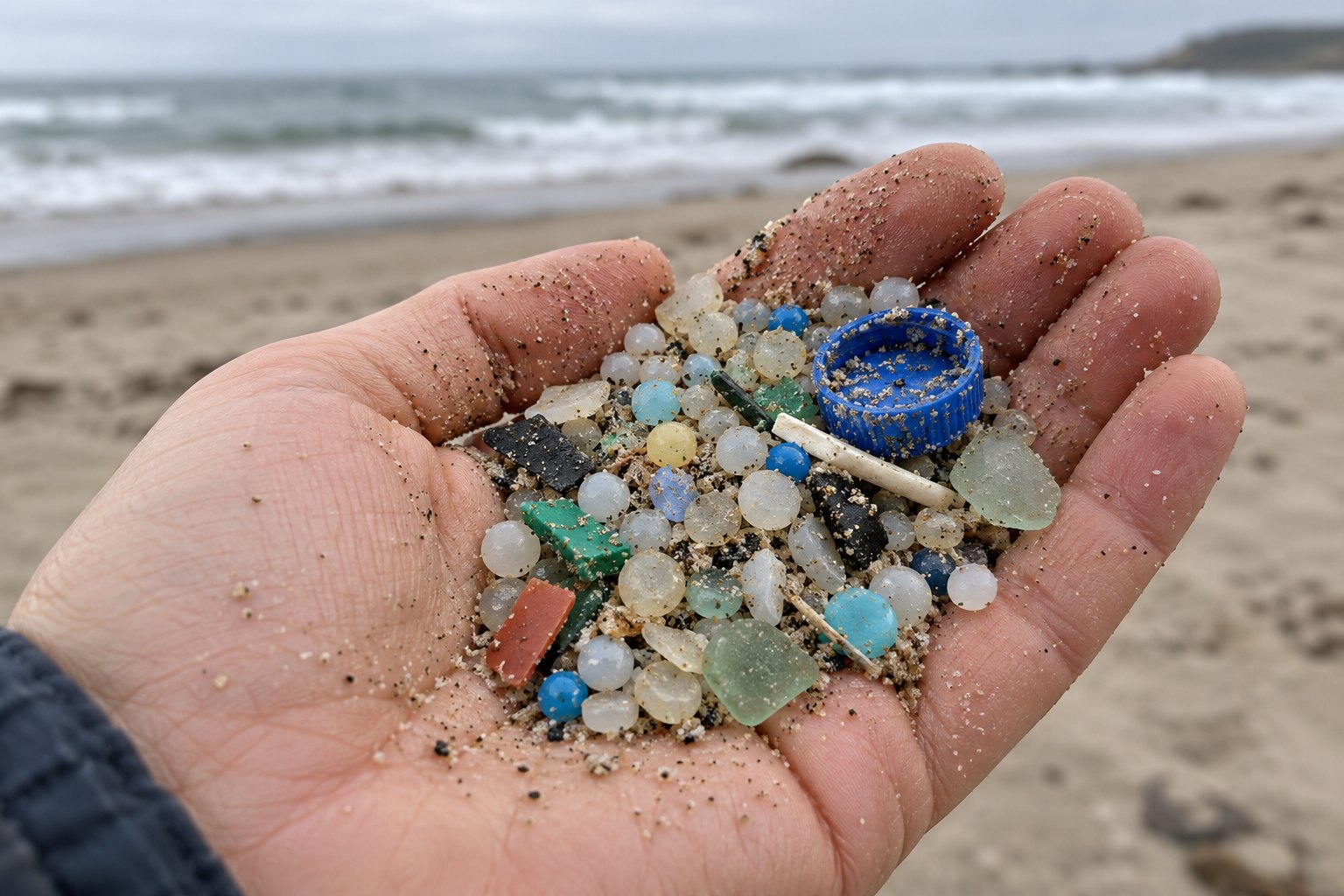
What’s a nurdle, and why does a turtle care?
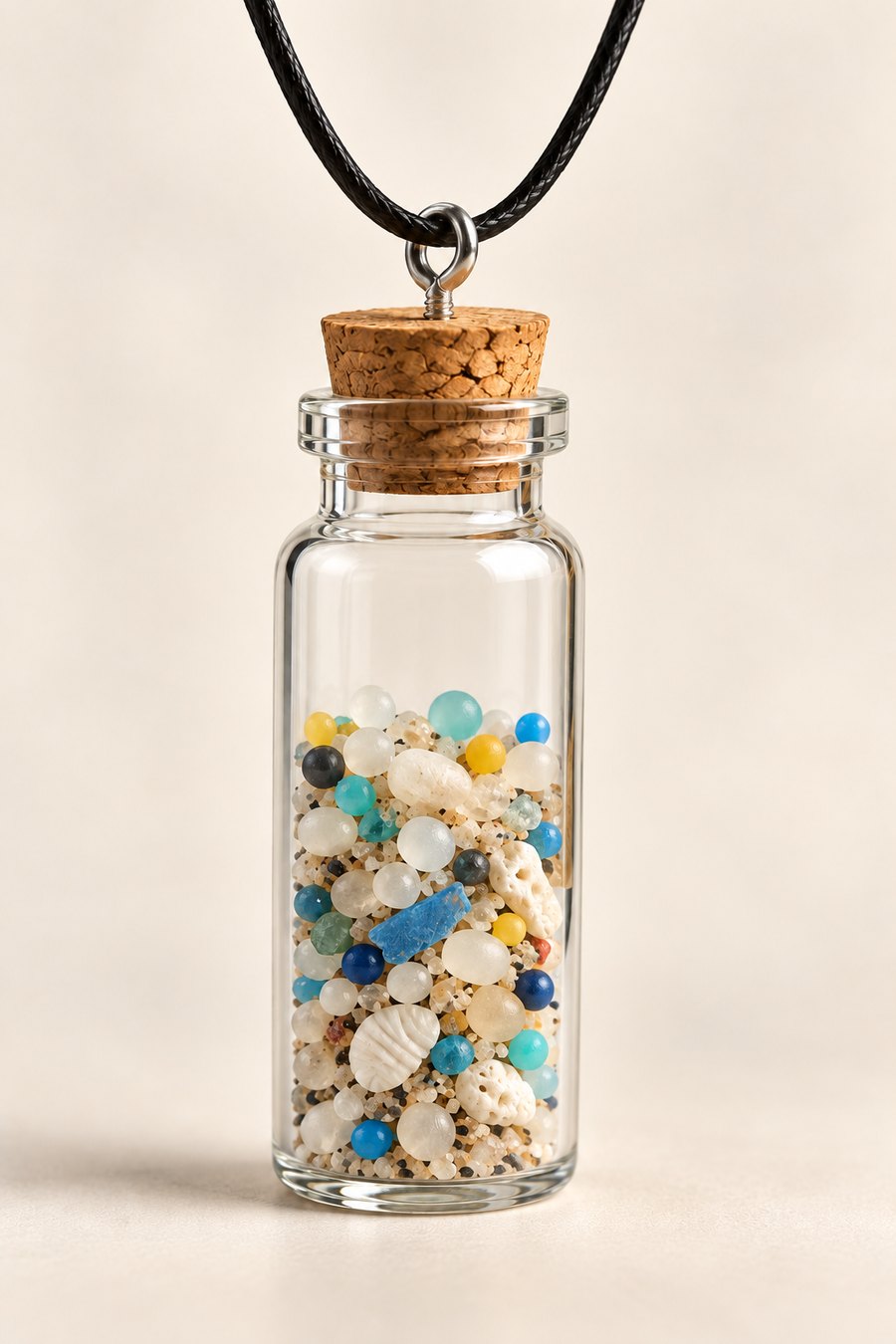
Nurdles are lentil-sized plastic pellets, the raw material for almost every plastic product. They spill, wash ashore by the millions, and look a lot like food to wildlife.
Nurdles
Tiny pellets that spill during shipping and wash in with the tide. Nearly invisible until you kneel down and look.
Foam & fragments
Bottles, bags and styrofoam break into smaller pieces with every tide, but they never disappear.
Line & debris
Fishing line, rope and six-pack rings: the stuff that tangles flippers, wings and hatchlings.
From the sand to your shelf
We clean
Weekly volunteer cleanups at Sunset Beach and Surfside, sifting for nurdles and other debris.
We bottle it
A share of what we collect is cleaned, sorted and sealed into glass nurdle necklaces.
You fund the next
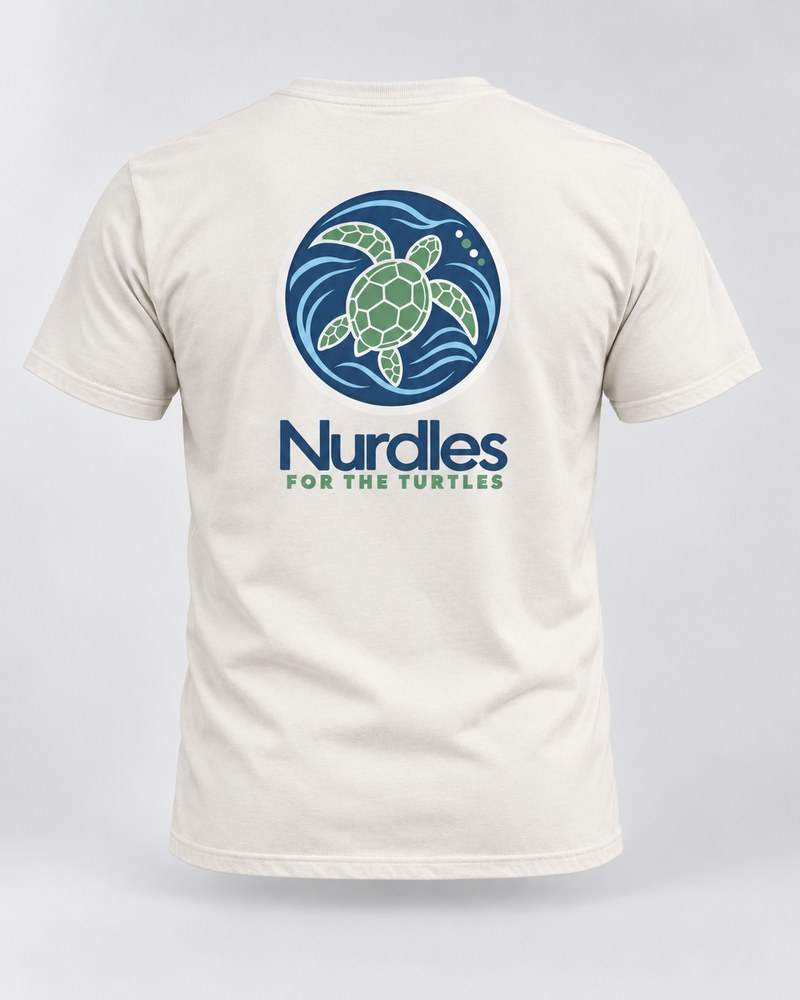
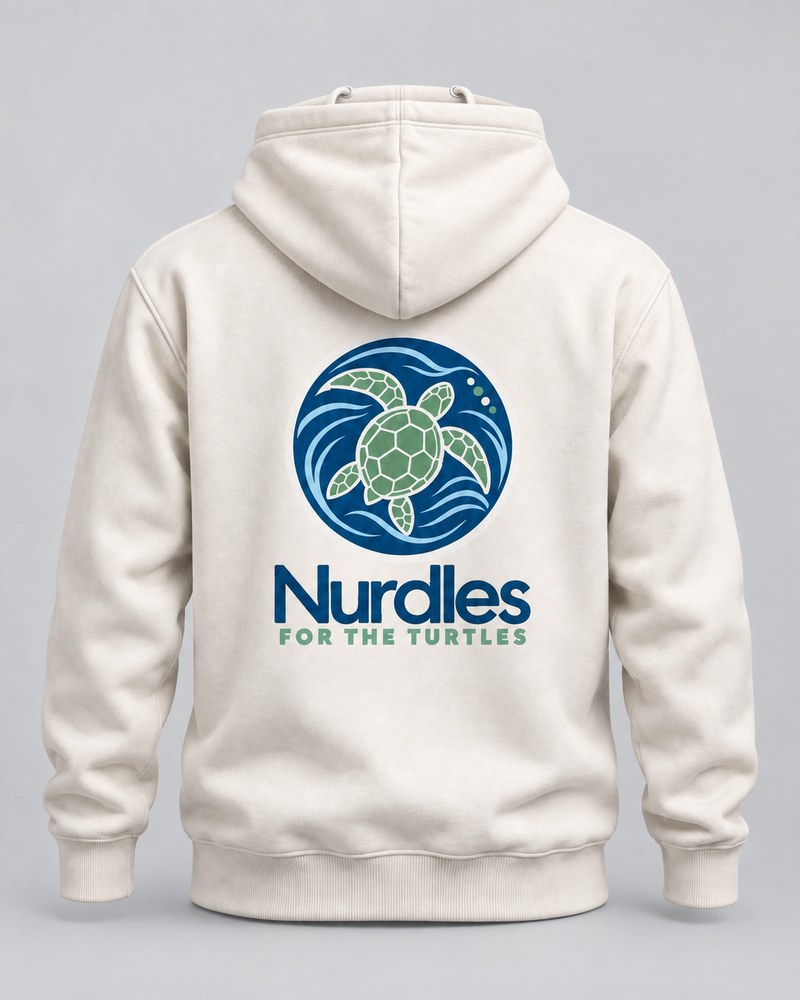
Every tee, hoodie, hat, sticker and necklace pays for gloves, sifters, bags and the next cleanup, for the turtles and every animal on our beach.
Gear that gives back to our beaches.
Every week. Sunset Beach & Surfside.
Join the crew list and we'll email you where and when we're meeting each week. Gloves, buckets and sifters are provided; just bring water and sunscreen. All ages welcome.